
{Source: Library of Congress; click image to view full size}
This detail shows a Culver Line train pulling into the station on a return trip from Coney Island. The open siding on the cars is unusual. As you can see passengers could raise or lower the fabric screens, something like window shades.

{Source: Library of Congress; click image to view full size}
Still closer up, you can see young men riding between the cars and a modern young lady in shirt sleeves and tie, without hat.

{Source: Library of Congress; click image to view full size}
This second close up shows the driver in shirt sleeves, a lady with a big Sunday hat, and most everyone giving the scene below their full attention.

{Source: Library of Congress; click image to view full size}
Down below are pedestrians, the women in full Edwardian skirts and more Sunday headgear.

{Source: Library of Congress; click image to view full size}
It interests me that the women are in pairs, without male escorts. All the men are hatted, many in summer boaters and the police under regulation helmets. It's nice to see that not everyone wears dark clothing, though that's pretty much the norm. There are trolley tracks set into the street. This station serves the public with trolleys, a grade-level railway (the LIRR), the elevated trains of the Culver and other rapid transit lines.
This map from 1939 shows the route of the Culver Line. Part of it is labeled "South Brooklyn Line" because that line had taken over the Culver in 1912.

{Source: http://www.nycsubway.org/maps/historical.html; click image to view full size}
For a pleasant outing on a summer's day, you could board a Culver Line train at Park Row in Manhattan, cross the Brooklyn Bridge to Atlantic Ave and proceed onward to the west end of Coney Island. The Atlantic Ave. station is not marked on this map; it's a little below the Fulton St. crossing. Here's the Culver Line (Original Route). Here's a link to a pdf of a map made in 1912. In it you can see the Atlantic Ave. station (with black rectangle marking the LIRR terminal). The Culver Line is shown from its northern end at Park Row down to its southern one at Coney Island.
This old postcard shows the Coney Island terminal.
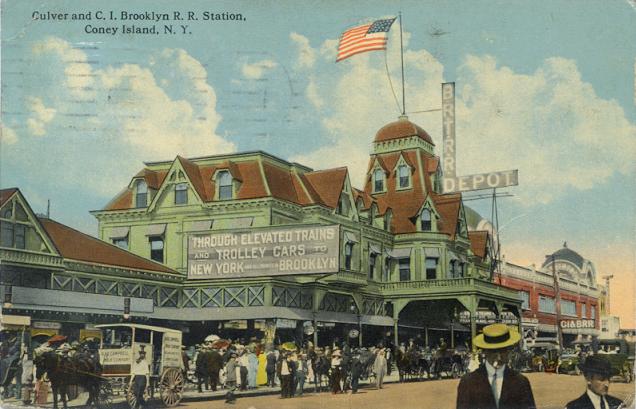
{Source: http://www.coneyisland.com/; click to view full size}
This photo shows a destination -- Dreamland -- in Coney Island about 1904.

{Source: http://www.nycsubway.org/maps/historical.html; click image to view full size}
. This link takes you to a description of the Culver Line in its early days. Here are some
Culver Line Memories. And from the NYC subway site: BMT Culver Line.


 There's a new book of quotations out. A






 "
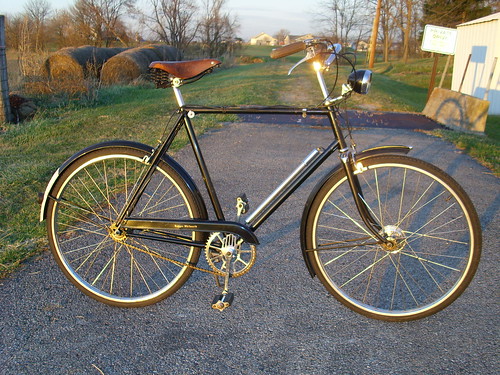
" Typically, I researched the purchase, carefully made the boat, and then didn't find much use for it. The river wasn't all that close to home and I couldn't drive myself there. I had no local friends with boats. So it sat down on Kemey's Cove while I found other things to do with my adolescent life and later became an embarrassment to my parents while I stored it in our next door neighbor's garage.
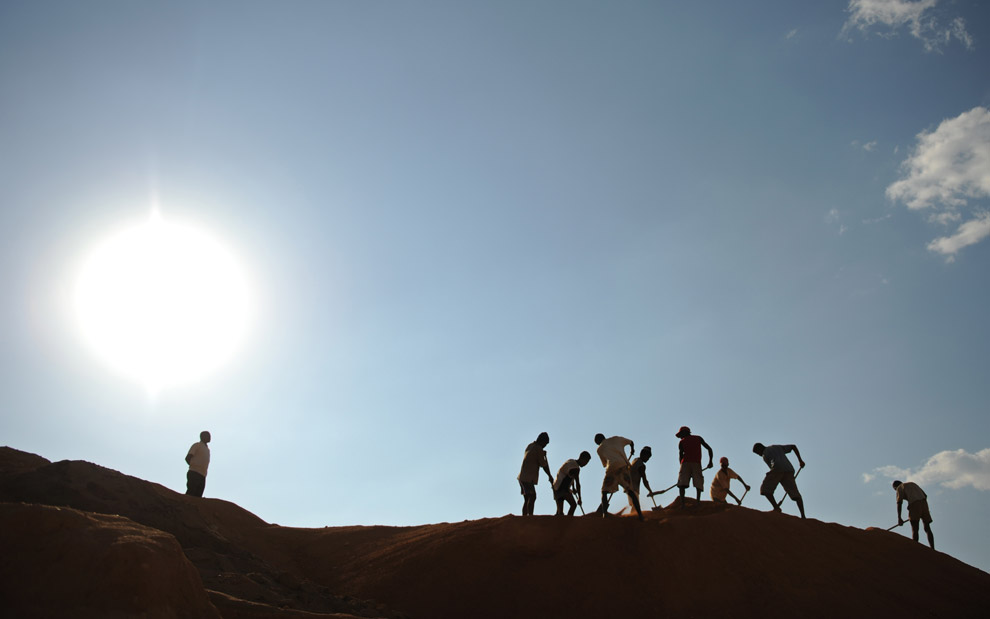

 The blog says: "The Big Picture is a photo blog for the Boston Globe/boston.com, compiled semi-regularly by Alan Taylor. Inspired by publications like Life Magazine (of old), National Geographic, and online experiences like MSNBC.com's Picture Stories galleries and Brian Storm's MediaStorm, The Big Picture is intended to highlight high-quality, amazing imagery - with a focus on current events, lesser-known stories and, well, just about anything that comes across the wire that looks really interesting."


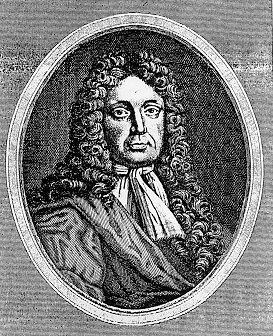
 This morning I was looking at one of the most popular of all these books, William Mather's Young Man's Companion, a comprehensive work of instruction and reference that went through 24 editions between 1681 and 1775. What caught my eye was a reference to a pamphlet he wrote about the invidious meddling of women in the affairs of men. It's called A Novelty: Or, A Government Of Women Distinct From Men, Erected Amoungst Some Of The People, Call'd Quakers. Published in 1694, it complains about the power held by Quaker women in Bedfordshire at the time.
  Mather had become a Quaker nearly 35 years before writing this and was to return to the Church of England the next year. George Fox was of course the founder of the Religious Society of Friends. As bold as he was peaceful, his writings make for very interesting reading. Answering Mather and other critics, he
chair.jpg) Here is the citation for the WaPo article:
Here is the citation for the WaPo article:


 Posts
Posts


